
Gratitude Is Not Soft — It’s Strategic

Gratitude is Not Soft — It’s Strategic
What Executives Must Remember This November
by Doni Landefeld, Ph.D, PCC, ACPEC
November is the season when gratitude fills our inboxes, meeting rooms, and holiday tables. But amid the swirl of thank-you notes and employee appreciation lunches, I want to challenge you — especially if you sit in a senior or executive role — to think differently about gratitude.
Gratitude is not soft.
It’s not fluff.
And it’s definitely not a seasonal side dish.
Gratitude is strategic. It’s one of the most powerful tools leaders have to reinforce psychological safety, strengthen resilience, and reduce the rising toll of disengagement and “quiet cracking” in today’s workplace.
If you haven’t heard that term yet, you will.
Where quiet quitting was about disengagement, quiet cracking is about breaking. People are still showing up and performing, but emotionally and psychologically, they’re eroding. And it’s happening quietly.
So what does this have to do with gratitude?
Everything.
The Science of Gratitude at Work
“What you do makes a difference, and you have to decide what kind of difference you want to make.” -Jane Goodall
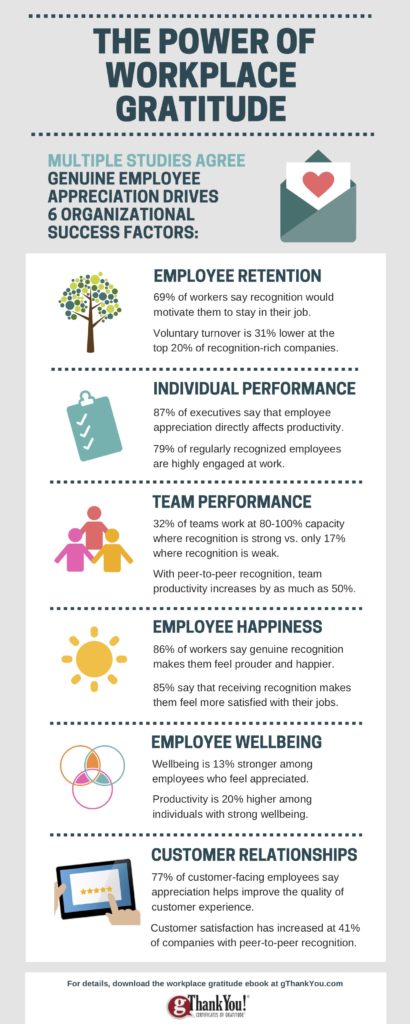 Research has consistently shown that when people feel genuinely appreciated, they are more resilient, collaborative, innovative, and engaged. Gratitude fosters a sense of psychological safety — that essential belief that “I can speak up, take risks, and be human here without fear of embarrassment or punishment.”
When employees feel seen, valued, and acknowledged, it fuels emotional capacity. It provides the buffer they need to weather challenges and stay present, even during uncertain times. According to a recent Gallup study, employees who receive recognition at least weekly are over three times more likely to feel engaged and committed to their work.
Gratitude is also contagious. When modeled at the executive level, it cascades across teams. People who feel appreciated are more likely to express appreciation to others, creating a ripple effect that strengthens trust and collaboration across your organization.
But here’s the disconnect:
Many leaders believe they’re already expressing enough gratitude. Most employees don’t feel it.
A Workhuman and Gallup survey found that only one in three employees strongly agree that they’ve received recognition or praise for doing good work in the past week. The numbers drop even lower among early-career professionals and underrepresented groups.
The Gap Between Intention and Impact
This is where executive leadership truly matters.
It’s not enough to feel grateful for your team.
You must communicate it — frequently, authentically, and specifically.
Generic thank-yous won’t cut it.
Performance bonuses are great, but they don’t replace consistent, human-to-human acknowledgment.
What your people need — especially right now — is for you to say things like:
-
“Here’s what I noticed you did that mattered.”
-
“I appreciate the way you handled that challenge.”
-
“You bring a unique strength to this team, and I want you to know it doesn’t go unnoticed.”
These may sound simple, but they are not small. They are leadership leverage points.
In a workplace where employees are stretched thin, gratitude acts as an executive reset button, reconnecting people to their purpose, their sense of belonging, and the belief that they matter.
Three Gratitude Habits for Senior Leaders
If you want to hardwire gratitude into your leadership DNA (and your culture), try these three practices this month:
-
The 5-Minute Rule
Set aside five minutes each Friday to write three short notes of appreciation — emails, handwritten notes, even Slack messages. Be specific about what you’re recognizing. Make it timely. Then make it a habit. -
Close the Loop on Recognition
When someone compliments a team member or thanks them in a meeting, amplify it. Circle back to that individual later and let them know what was said. This fosters psychological safety and enhances visibility across all layers of the organization. -
Start with “One More Thing…”
At the end of a check-in or team meeting, add: “One more thing — I want to recognize…” and then share appreciation. Doing this regularly shows that acknowledgment isn’t a special occasion; it’s part of your leadership rhythm.
A Reflection for November
Are your people working hard yet quietly wondering if their efforts matter?
Are your top performers holding it together on the outside but quiet-cracking on the inside?
If so, it’s time to lead differently.
At Metamorphosis Coaching, we help executive leaders in embedding practices such as Positive Intelligence®, psychological safety, and strengths-based recognition into their culture — so gratitude becomes more than a seasonal gesture. It becomes a leadership habit.
📩 Reach out to explore how we can help your organization lead with more intention and appreciation — now and into the year ahead.
Because in a world where people are increasingly exhausted and unseen, gratitude might just be your organization’s greatest competitive advantage.
Click the button below to get started.